
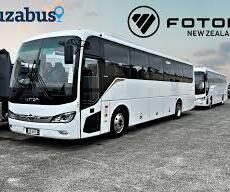
Passenger transport in Africa is changing rapidly. Cities are expanding, intercity mobility is increasing, and transport operators are under pressure to deliver safer, more dependable service while managing operating costs. In that environment, Foton bus business is gaining attention for one central reason: it is focused on practical passenger mobility, not just vehicle sales.
A recent signal of that focus is Foton shipment of a bulk bus order to the West African passenger transport market. That kind of order matters because bus operators buy in volume only when they believe a brand can support consistent performance, timely delivery, and long-term serviceability. It also shows that Foton is not treating buses as a side line. It is actively building partnerships in a region where public transport and private shuttle services remain essential to daily life.
West Africa is a particularly important region for passenger transport development. Urban growth has created stronger demand for commuter buses, staff transport, school transport, tourism transfers, and intercity shuttle operations. At the same time, operators must navigate heavy usage, variable road conditions, and rising expectations from passengers who want clean, comfortable, and predictable service.
That is why reliability is the core value proposition in this segment. A bus that sits in a workshop cannot generate revenue. A bus that consumes too much fuel can damage margins. A bus that lacks parts support can create service disruptions and customer complaints. Foton broader commercial vehicle strategy addresses those realities by emphasizing durable engineering, a wide product range, and market-specific support.
Foton international lineup includes mini buses, city buses, intercity buses, and new energy passenger solutions. This range is important in African markets because transport demand is not uniform. A private operator may need a 14-seat shuttle. A city operator may need a larger passenger vehicle for high-frequency movement. A tourism business may need a comfortable minibus with a more premium interior. Foton can support those different use cases with a single brand family.
From a product perspective, the bus segment benefits from Foton broader experience in commercial vehicles. The company is known globally for practical vehicle design, and that matters in Africa where service operators often prioritize durability and total cost of ownership. In many cases, a transport company will choose a vehicle not because it has the most luxurious specification, but because it can stay in service, withstand daily mileage, and be maintained efficiently.
The passenger transport business is also closely tied to reputation. Operators want vehicles that help them earn trust from their passengers. Clean interior packaging, comfortable seating, adequate ventilation or climate control, easy boarding, and stable ride quality all contribute to customer satisfaction. In a competitive transport market, passenger experience can determine whether a route remains profitable.
Foton Africa strategy appears to recognize that transport is not only about moving people. It is about supporting the commercial ecosystem around mobility. That ecosystem includes dealers, service centers, spare parts supply, driver training, and aftersales response. When those pieces work together, bus operators gain confidence and can expand their routes or fleets more effectively.
For West African customers, bulk orders are especially valuable because they help standardize fleet operations. A transport company that runs multiple units of the same platform can simplify maintenance planning, parts inventory, and driver familiarity. This can improve uptime and make fleet management more efficient. That is why a successful bus delivery is more than a one-time shipmentt is the start of a service relationship.
The growth of bus demand in Africa is also linked to public policy and private investment. Governments continue to seek cleaner and more efficient transit options, while private operators look for vehicles that can meet daily commuting needs without high maintenance burdens. Foton product direction, which includes both conventional and new energy vehicles, gives it flexibility in responding to these changes as the market matures.
In practical terms, African bus buyers want vehicles that are fit for real working environments. They need robust suspension, reliable drivetrains, accessible maintenance points, and a cabin layout that supports high passenger turnover. Foton commercial vehicle engineering gives it an opportunity to meet those needs with purpose-built transport solutions.
The West African order also reinforces something important: Foton is building regional trust. In the commercial vehicle industry, trust is earned gradually. A supplier wins one order, then another. It delivers on time, supports operators after the sale, and keeps vehicles moving. Over time, that behavior becomes a market reputation.
As African transport networks continue to evolve, brands that understand local operating conditions will have an advantage. Foton bus business is positioning itself around exactly that insight. The company is not simply sending vehicles into the market; it is pursuing long-term passenger mobility partnerships.
That approach is likely to resonate with operators looking for more than a short-term purchase. They want a bus that can work today and remain serviceable tomorrow. They want a brand that listens to market needs. They want support that is close enough to matter. Foton Africa strategy is designed to deliver on those expectations.
Image note: Use a Foton bus or minibus image from the media library if available. If not, mark the article with "Image to be added" and publish without a hero image.
Interested in Foton vehicles for your fleet?
Contact us: manager@fotonintl.com | Tel: +86 15376192345
Get a Quote
Chat with us on WhatsApp 📨
Instant support for Foton vehicles, pricing and fleet inquiries