
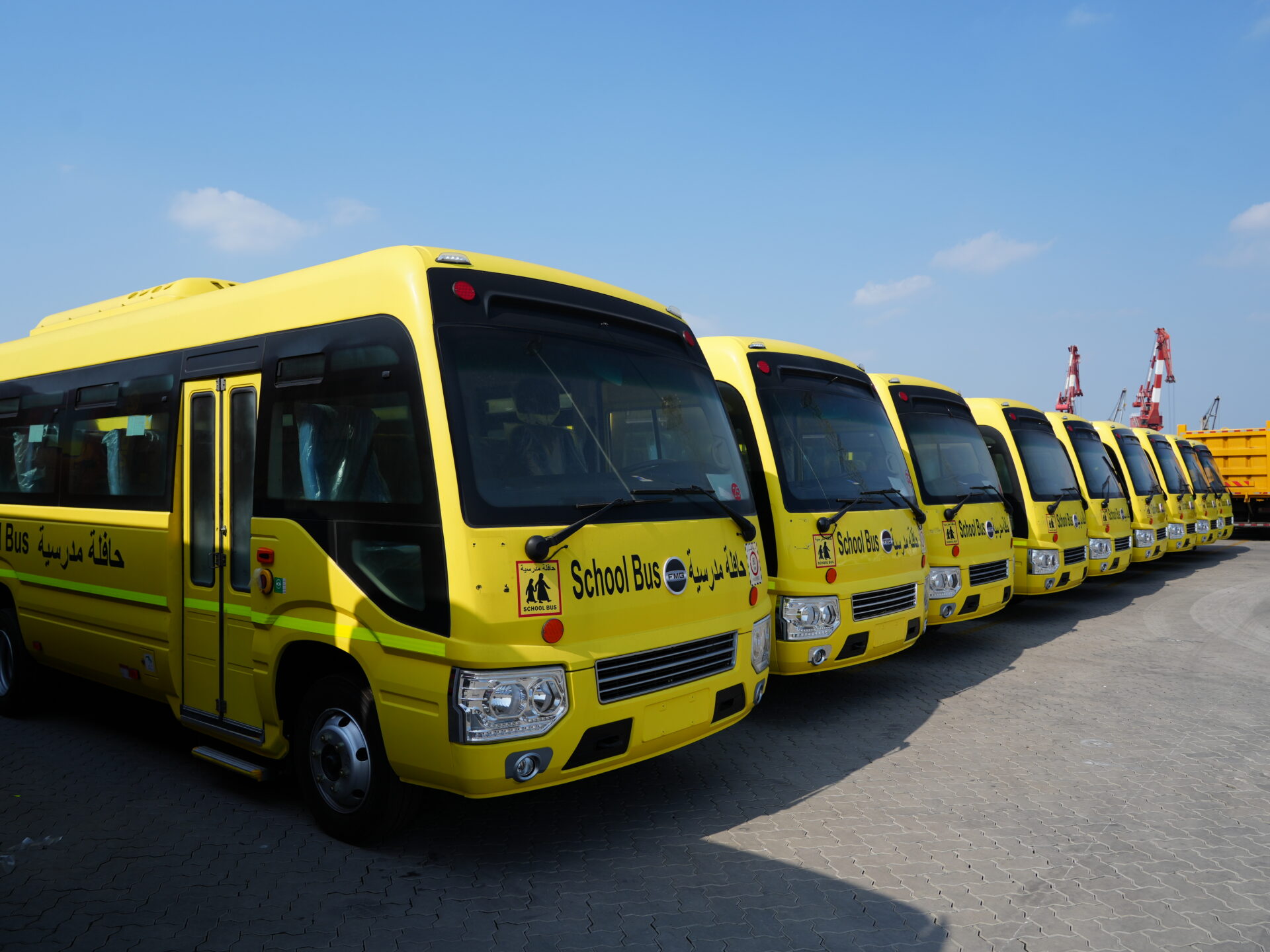
Passenger transport is one of the most important mobility sectors in Africa. Every day, buses and minibuses connect workers to cities, move students to school, support tourism, and provide intercity links that keep commerce flowing. In this environment, reliability is not a bonus feature. It is the business model.
Foton bus and minibus product family is positioned around that reality. The company global commercial vehicle range includes city buses, intercity buses, and mini bus solutions that are designed for different passenger demands. That breadth is important in Africa because transport operators do not all need the same vehicle. A city shuttle, a school route vehicle, and an intercity bus all face different operating conditions and customer expectations.
For operators, the most important factors are uptime, passenger comfort, fuel economy, and serviceability. A bus that spends too much time in the workshop quickly turns from an asset into a liability. That is why vehicle durability and parts availability matter as much as seating capacity. Foton engineering approach focuses on practical commercial use, which aligns well with African fleet purchasing logic.
One of the biggest trends in African passenger mobility is the move toward fleet standardization. Operators want vehicles that are easier to maintain, easier to train drivers on, and simpler to manage across routes. Foton multi-segment bus portfolio supports that trend by giving buyers options within a common brand structure.
The minibus segment is especially important because it serves the economic middle ground between private cars and full-size buses. It is often used by private transport businesses, hotels, schools, employee shuttles, and informal route operators. In many markets, minibuses are the backbone of community mobility. A reliable minibus can create steady daily revenue and build long-term operator trust.
Foton Africa opportunity here is substantial. As cities grow, transport demand increases in both urban and peri-urban areas. Riders want safer, more dependable service, while operators want vehicles that can handle long daily cycles. By offering buses and minibuses that are built for commercial endurance, Foton is well placed to serve that need.
Aftersales support remains a decisive factor. African operators do not simply buy vehicles; they buy service continuity. They need access to maintenance, replacement parts, and trained service teams. Brands that understand this reality are more likely to win repeat purchases and fleet expansion orders. Foton continued market presence suggests a recognition of that requirement.
There is also a customer-experience angle. Passenger comfort, cabin layout, and boarding convenience all affect how a bus service is perceived. Operators who invest in better vehicles can win more loyal riders and stronger route performance. Foton bus and minibus solutions support that goal by combining practical engineering with flexible passenger configurations.
In the broader African context, transport is a productivity tool. Reliable passenger mobility helps workers arrive on time, improves access to education, and supports city-to-city trade. Vehicles that can perform consistently in that environment have a meaningful economic role. Foton bus and minibus lineup is designed to play that role.
As the continent continues expanding its transport networks, the brands that succeed will be those that prioritize reliability, service support, and real operating value. Foton passenger mobility strategy is aligned with those priorities, making it a brand worth watching in Africa bus market.
Image note: Use a Foton bus or minibus image from the media library if available. If not, mark the article with "Image to be added" and publish without a hero image.
Interested in Foton vehicles for your fleet?
Contact us: manager@fotonintl.com | Tel: +86 15376192345
Get a Quote
Chat with us on WhatsApp 📨
Instant support for Foton vehicles, pricing and fleet inquiries