How Foton Motor Conquered African Roads: A 10-Country Bus Revolution
When Joseph Mwangi, fleet operations manager at a Kenyan bus company, added his 60th Foton bus to his fleet in 2024, it marked a quiet milestone in Africa’s transportation landscape. Since 2021, Mwangi has steadily replaced aging vehicles with Foton units, citing one key reason: these buses simply work in African conditions.
Foton Motor’s footprint now stretches across ten African nations — Kenya, Nigeria, Ghana, Ethiopia, South Africa, Angola, Tanzania, Uganda, and Côte d’Ivoire. From Lagos’ congested commuter arteries to Nairobi’s ambitious BRT pilot corridors, Foton buses have become a common sight on routes that matter most to local communities.
What drives this rapid adoption? Industry analysts point to three interconnected advantages. First, Foton vehicles deliver competitive pricing without sacrificing durability — a rare combination in markets where budgets are tight and roads are punishing. Second, the buses are engineered for Africa’s extremes: potholed highways, monsoon seasons, and dusty rural tracks that would cripple less rugged alternatives. Third, Foton has invested seriously in after-sales infrastructure, forging local partnerships that ensure parts and technicians are never far away.
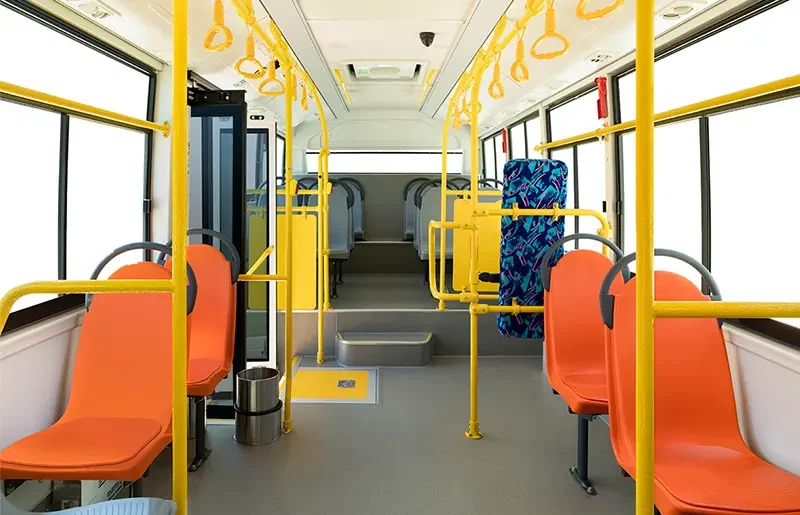
The operational evidence backs this up. In Lagos, operators managing large fleets have documented measurable improvements in uptime and per-kilometer costs. In Addis Ababa, Foton units now operate within the city’s municipal transit system. Nairobi has integrated Foton city buses into its Bus Rapid Transit pilot — a high-profile vote of confidence in their urban performance. Meanwhile, private and state-linked bus operators in Accra and Dar es Salaam have taken delivery of dedicated Foton fleets.
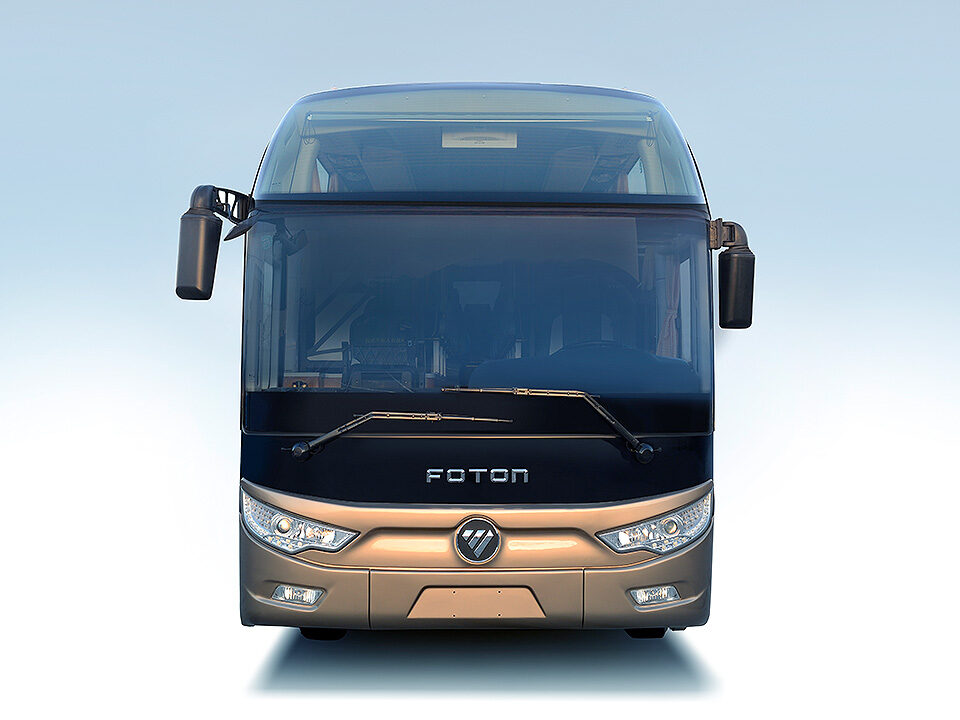
Beyond city limits, Foton coaches handle demanding inter-city and cross-border routes throughout the region. Safari tourism operators in Kenya and Tanzania rely on them for long-haul passenger comfort, while Namibian and South African carriers use Foton vehicles on routes spanning hundreds of kilometers. The product lineup reflects this versatility: seating capacities span from 33-seat mid-size models ideal for regional routes up to 55-seat long-distance luxury coaches designed for overnight comfort.
Foton’s ambitions in Africa extend well beyond the combustion engine. Electric bus pilots are currently active in South Africa, Kenya, Egypt, and Morocco — laying groundwork for a future transition to cleaner urban transport across the continent.
Manufacturing partnerships further anchor Foton’s regional presence. In Nigeria, the company has established both SKD and CKD assembly lines, enabling local production that creates jobs and reduces delivery lead times. Ethiopia has received dedicated investment in technician training centers, building a skilled workforce capable of maintaining Foton fleets independently.
With a growing network of partners, a proven product range, and green mobility initiatives already in motion, Foton Motor is positioning itself as a long-term player in Africa’s evolving transport sector — one bus at a time.
—
**Get in Touch with Foton:**
– Website: www.fotonintl.com
– Email: manager@fotonintl.com
– WhatsApp: +86 153 7619 2345
*Source: Foton Motor (www.fotonintl.com)*